Deep Brain Stimulation (DBS)
Deep brain stimulation (DBS) DBS is a surgical procedure used to treat certain symptoms of Parkinson’s disease (PD). This powerful treatment focuses primarily on the motor symptoms of Parkinson’s and some of the side effects caused by medications. DBS can also improve some non-motor symptoms, including sleep, pain, and urinary urgency. However, it is important to note that DBS only relieves symptoms and does not cure or prevent the progression of the disease.

The US Food and Drug Administration (FDA) has approved DBS surgery in:
- 1997: for the treatment of Parkinson's tremors.
- 2002: for the treatment of severe Parkinson's symptoms.
- 2016: for early stages of PD – for people who have had the disease for at least four years and whose motor symptoms are not well controlled with medication.
DBS is the most important advance in Parkinson's treatment since the development of levodopa. It is most effective for people with severe tremors, recurrent symptom episodes, or drug-induced dyskinesia, with benefits lasting at least five years in studies. However, DBS is not appropriate for all Parkinson's patients, especially those with problems with speech, swallowing, thinking, or freezing when walking, as these symptoms do not respond consistently to DBS.
Like all brain surgery, DBS carries small risks, including infection, stroke, bleeding, or seizures. DBS surgery may cause a decrease in speech clarity or a slight change in word finding. A small number of people with PD may experience cognitive impairment after DBS surgery, especially if cognitive problems existed before the surgery.
It is important that people with Parkinson's considering DBS surgery are well informed about the procedure and have realistic expectations.
How does DBS work?
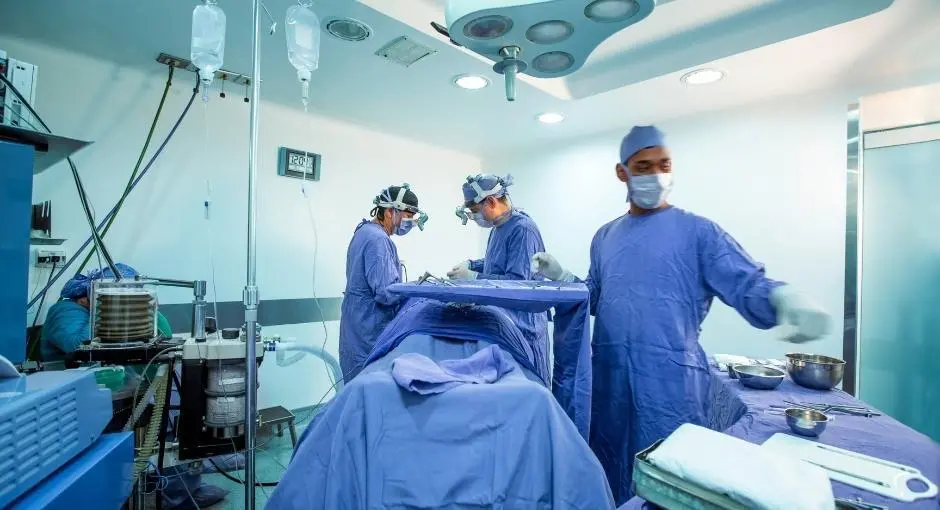
During DBS surgery, electrodes are implanted in a target area of the brain, using MRI (magnetic resonance imaging) imaging and sometimes recording brain cell activity during the surgery. Another procedure is then performed to implant an intra-pulse generator (IPG), which is similar to a pacemaker and is about the size of a stopwatch.
The IPG is placed under the collarbone or in the abdomen, delivering electrical stimulation to areas of the brain that control movement. People undergoing DBS surgery will be given a controller to turn the device on and off and check basic parameters such as battery life.
Basic information about DBS
- DBS is a surgical procedure used to treat a range of severe neurological symptoms – most commonly the debilitating motor symptoms of Parkinson's such as tremor, rigidity, slow movement and slow gait.
- DBS does not damage healthy brain tissue or destroy nerve cells. Instead, it disrupts abnormal electrical signals from target areas in the brain.
- Currently, this procedure is only used for people whose symptoms cannot be adequately controlled with medication.
The DBS system consists of three components.
1. Lead
Also called an electrode, the lead is a thin, insulated wire that is inserted through a small hole in the skull and implanted into the target area in the brain.
2. Extension
It is an insulated wire that is passed through the scalp, neck, and shoulders, connecting the lead to the neurostimulator (IPG).
3. Neurostimulator
Also known as a battery pack or IPG, the neurostimulator is the third component, usually implanted under the skin near the collarbone. In some cases, it may be implanted lower in the chest or under the skin in the abdomen.
Which areas of the brain should be selected for DBS lead implantation?
- There are three areas in the brain that the FDA has approved for use in Parkinson's: the subthalamic nucleus (STN) and the globus pallidus intermedius (GPi) are the two most common.
- Goal selection should be tailored to each person's individual needs.
- Much research is being done to improve individualized target selection.
- Although the overall picture is still unclear, STN appears to offer more medication-reducing effects, while GPi may be slightly safer for language and cognition