What is stem cell transplantation?
1. What is stem cell transplantation?
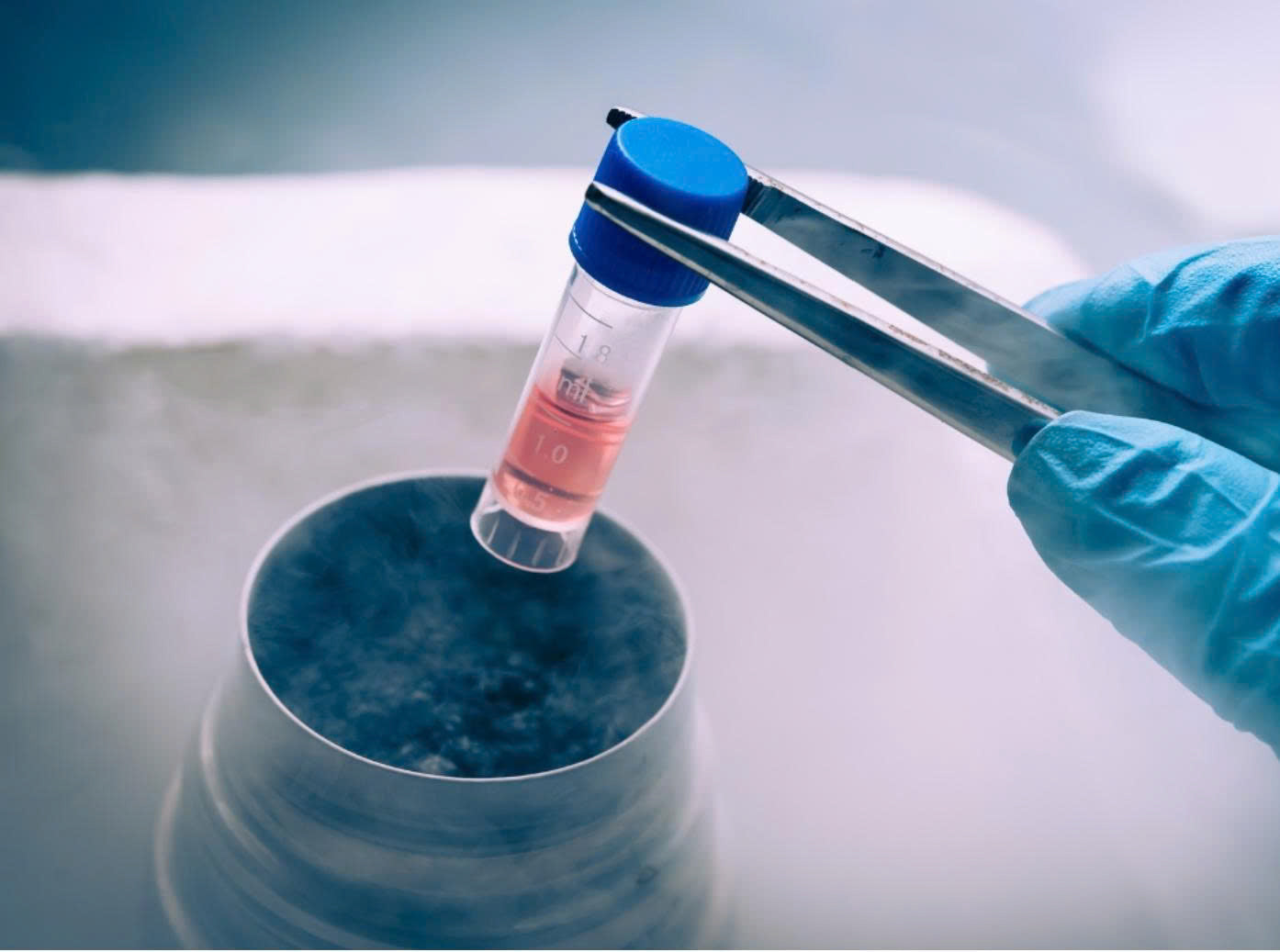
Stem cell transplantation (or bone marrow transplantation, hematopoietic stem cell transplantation) is a procedure to replace damaged bone marrow with healthy stem cells.
These stem cells have the ability to develop into different types of blood cells:
-
Red blood cells: carry oxygen
-
White blood cells: fight infection
-
Platelets: help blood clot
Cancer and treatments such as chemotherapy and radiation can damage stem cells, leaving the bone marrow unable to produce enough blood cells.
![]()
 2. Diseases that can be treated with stem cell transplantation
Stem cell transplantation is used to treat many blood and immune system diseases, including:
-
Acute lymphoblastic leukemia (ALL)
-
Acute myeloid leukemia (AML)
-
Lymphoma
-
Multiple myeloma
-
Myelodysplastic syndrome (MDS)
-
Aplastic anemia
3. Who may be suitable for stem cell transplantation?
To determine if a patient is suitable, the doctor will:
-
Check medical history
-
Do a blood test
-
X-ray, CT Scan
-
Check heart, lung, liver, kidney function
-
Bone marrow biopsy
-
Psychological assessment and social support
4. Types of stem cell transplants
a. Autologous transplant
-
Stem cells are taken from the patient himself and stored before treatment.
-
After high-dose chemotherapy/radiation, these cells are infused back to restore the immune system.
-
Suitable for patients with myeloma, lymphoma or autoimmune diseases.
b. Allogeneic transplant
-
Stem cells are obtained from a donor who is HLA compatible.
-
Used for diseases such as AML, MDS, aplastic anemia, lymphoma, myeloma.
-
Before transplantation, the patient is “conditioned” with chemotherapy/radiation to eliminate diseased cells and prepare the bone marrow.
-
The transfusion process is similar to blood transfusion.
-
If a perfect HLA donor is not available, a haploidentical donor or umbilical cord blood can be used.
5. Things to prepare before grafting
-
Your doctor will choose a transplant option based on your disease type, response to treatment, age, and overall health.
-
Treatment can be lengthy: about a month in hospital, followed by a recovery period.
-
Family and caregivers play an important role throughout this process.
-
Age isn't the only determining factor — overall health is the main one.
6. Cost
Cost depends on:
-
Type of graft (autologous or allogeneic)
-
Donor source (related or not)
-
Disease complexity and complications
Patients will be provided with detailed and transparent information prior to treatment.
7. Recovery and expected results
-
After discharge, the patient will be monitored periodically.
-
In the early stages after transplantation, the immune system is weak, so the risk of infection is high; it is necessary to use antibiotics, antivirals and follow prevention instructions.
-
With an allograft, there is a risk of graft-versus-host disease (GVHD) — when donor cells attack the recipient's body. Your doctor will use medications to prevent and control this condition.
-
Complete recovery of the immune system and blood cells may take 6–12 months.
-
After the transplant, patients can live a normal life; most feel better within 2 months to 1 year, although they may still feel tired during the recovery period.
8. Information by disease
-
Multiple myeloma: autologous transplantation is often used for consolidation after chemotherapy; it helps prolong remission, although it rarely cures completely.
-
Acute lymphoblastic leukemia (ALL): consider allogeneic transplantation when complete remission is not achieved or prognosis is poor.
-
Acute myeloid leukemia (AML): only for high-risk patients or those who do not respond well to chemotherapy.
-
Myelodysplastic syndrome (MDS): Allogeneic transplantation is the only curative treatment.
-
Aplastic anemia: transplantation is only for severe cases, unresponsive to immunosuppressive treatment and there is a suitable donor.
9. Commitments and notes
-
The treatment team provides comprehensive patient support at every stage: consultation, planning, treatment, monitoring and post-transplant care.
-
Information is for educational purposes only and is not a substitute for direct medical advice, diagnosis, or treatment.
Source: https://cfch.com.sg/vi/stem-cell-transplant/