Degenerative spine disease
What is degenerative spine disease?
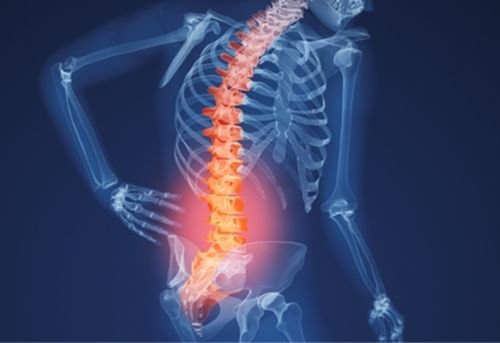
Degenerative spine disease involves the gradual wear and tear of the discs, joints, and bones of the spine, often occurring in older patients. Over time, these changes in the spine can put pressure on the spinal cord and nerves, leading to a variety of symptoms.
Types of diseases
- Bone spurs
- Reduced disc thickness
- Loss of articular cartilage
- Bone thickening
What are the symptoms of degenerative spine disease?
Mild degeneration may cause few or no symptoms. As the condition progresses, the patient may experience:
- Radiating lower back stiffness
- Unable to move the spine
- Lower back pain
If more severe degeneration occurs, including compression of the spinal cord or nerves, the patient may experience:
- Painful
- Feeling like ants crawling, needles pricking
- Weakness or numbness in the lower back, buttocks, groin, legs, or feet
Symptoms may worsen with repetitive or continuous activities that straighten or compress the spine. These include lifting objects, standing, or walking for long periods of time. Symptoms tend to improve with activities that flex the spine or take pressure off the spine, such as sitting or lying down.

What causes degenerative spine disease?
Degenerative spinal diseases are more common in people with:
- History of lower back pain or spinal injury
- Perform a lot of lifting, bending, twisting, or sitting in daily life
What are the complications and associated diseases of degenerative spine disease?
Degenerative disc disease can lead to osteoarthritis in the back. This means that the discs that cushion the vertebrae (the small bones in the spine) degenerate, causing stiffness and pain.
While rest may seem to relieve pain, being inactive can make pain worse, increase muscle tone and reduce flexibility. This can then increase the risk of blood clots in the legs and even lead to depression.
How is degenerative spine disease treated?
Your doctor may recommend physical therapy to help relieve pain and improve your flexibility and strength.
Treatments may include:
- Back belt or back tape
- Consulting on operational adjustment
- Change your lifestyle habits and improve your ergonomics
- Dry needling (a type of acupuncture)
- Electrotherapy (ultrasound)
- Exercises to improve flexibility, strength, and stability of the core muscles
- Hydrotherapy (exercise in water)
- Cold or hot compresses
- Pain relievers, anti-inflammatory drugs, muscle relaxants
- Minimally invasive and open surgery to relieve spinal nerve compression and stabilize the spine
- Exercise (gentle stretching to restore mobility)
- Pilates exercises
- Soft tissue massage
- Spinal injection and radiofrequency ablation of the painful area
- Traction (a physical therapist applies force to the spine to relieve pressure)
- Walking aids
-------------------------------------------------------------------------------------------
👉 Contact SunCare for medical support and advice as well as professional private jet transportation services 🇸🇬 SUNCARE PTE. LTD SINGAPORE
🏠 Add: 10 Anson Road, #10-11 International Plaza, Singapore 079903
☎️ Hotline: +65 96727717 (Dr. Lien Minh - Director) Zalo, Viber
📨 Email: suncarehealth@gmail.com